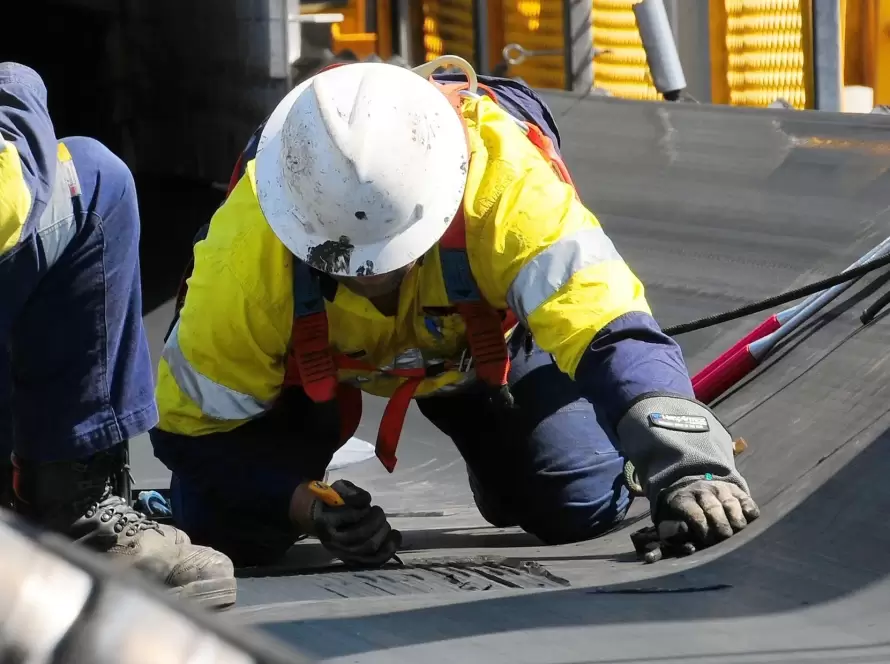
How gas test atmospheres training prepares workers for emergencies is by teaching them to identify, assess, and control atmospheric hazards before they become life-threatening. Key skills include:
- Complying with specific WorkSafe WA regulations
- Correctly using and calibrating gas detectors
- Implementing a confined space rescue plan integrated with DFES
- Understanding real-world risks in WA industries like mining and construction.
In Western Australia, a workplace incident is reported every few hours, and many of these involve unseen atmospheric hazards in confined spaces. For businesses in Perth’s demanding mining, construction, and industrial sectors, simply ticking a box for safety training isn’t enough.
When evaluating exactly how gas test atmospheres training prepares workers for emergencies, it becomes clear that the air itself can often be the biggest threat. This guide provides a clear, actionable blueprint for atmospheric testing, focusing specifically on WA compliance and real-world scenarios.
Table of Contents
Fundamentals of Atmospheric Testing in WA
The most dangerous workplace threats are often invisible. Atmospheric testing is the process of using calibrated equipment to detect and measure hazardous gases before they can harm your workers. In WA, the most common risks typically involve oxygen level changes and the presence of toxic or flammable gases.
Oxygen Deficiency & Enrichment:
The safe oxygen range for a working environment is generally between 19.5% and 23.5%. Understanding oxygen deficiency hazards is critical; atmospheres below 19.5% can lead to impaired judgment, loss of coordination, and asphyxiation. Conversely, the risks of oxygen enrichment (above 23.5%) primarily involve severe fire hazards, where materials that normally smolder can spontaneously ignite.
Flammable & Explosive Atmospheres (LEL):
To manage combustion risks, you must have the lower explosive limit explained clearly to your team. The LEL is the lowest concentration of a gas or vapor that will burn in air. Under WA regulations, work must generally stop if flammable gas concentrations reach 5% of the LEL. Factoring in the vapour density of gases is also important, as heavier gases like propane will pool at the bottom of a space, while lighter gases like methane will rise.
Common Toxic Gases in WA Industries:
Hydrogen Sulfide (H₂S): Prevalent in the oil and gas sector, the dangers of hydrogen sulfide are extreme. It features a rotten-egg smell that quickly deadens the olfactory nerves, creating a false sense of security before causing respiratory failure.
Carbon Monoxide (CO): Often produced by combustion engines on construction and mine sites, understanding carbon monoxide exposure limits is vital. CO binds to hemoglobin faster than oxygen, potentially leading to severe neurological and cardiovascular risks.
Other Hazards: Airborne dust in mining or volatile chemicals in manufacturing can also displace oxygen or introduce toxicity.
According to the Safe Work Australia confined space code of practice, which informs state-level regulations, a competent person must conduct a risk assessment before entry to identify these specific hazards.[1] Understanding these fundamental risks is typically the first step in effective safety management. Next, we will cover the equipment required to detect them.
Gas Testing Equipment & Procedures
Your gas detector can act as a lifeline, provided it is used and maintained correctly. Following a strict procedure for testing, calibration, and documentation is not just best practice; it is a compliance requirement that helps support worker safety.
When learning how to use a gas detector, workers are typically trained to monitor the four main gases: Oxygen (O₂), Flammable Gases (%LEL), Carbon Monoxide (CO), and Hydrogen Sulfide (H₂S). This specific 4-gas combination is standard because it covers the most frequently encountered risks across industrial sites.
To maintain equipment reliability, you must understand the difference between daily checks and formal maintenance:
The Correct Order for Gas Testing:
A proper confined space gas testing procedure requires a “top-down” approach, sampling at various depths. As illustrated in standard gas testing order diagrams, the sequence is critical:
- Oxygen: Tested first because many LEL sensors require sufficient oxygen to function properly.
- Flammable Gases: Tested second to identify immediate explosion risks.
- Toxic Gases: Tested last to identify poisoning hazards.
Documenting Results:
Performing a bump test, gas detector check, and executing a formal gas detector calibration procedure are only effective if logged. All test results must be recorded on a gas testing log sheet as part of the formal entry permit. As outlined in the national standard AS/NZS 2865:2009, technical requirements mandate regular calibration according to manufacturer instructions to support reliable readings.[2]
The WA Compliance Deep Dive: Meeting Your Legal Duties
Generic safety advice is rarely enough to protect your business in Western Australia. Understanding exactly how gas test atmospheres training prepares workers for emergencies requires a thorough grasp of local legislation.
This section details your precise obligations under the Work Health and Safety (General) Regulations 2022 (WA) and provides practical examples for local industries.
Vague Regulations vs. Specific WA Compliance:
Under Regulation 66, a Person Conducting a Business or Undertaking (PCBU) must manage all risks associated with a confined space, starting with a written risk assessment. Adhering to WorkSafe WA gas testing regulations is not optional. Regulation 72 is particularly critical; it mandates that flammable gas concentrations must be kept below 5% of the Lower Explosive Limit (LEL).
If levels sit between 5% and 10%, continuous monitoring is legally required. At 10% or more, workers must be removed immediately. Meeting confined space entry permit requirements, WA dictates that all atmospheric testing results and controls are documented in writing before anyone enters the space. Under the WA WHS (General) Regulations 2022, these limits are strictly enforced to minimize explosion risks.[3]
Theory vs. Practical WA Industry Scenarios:
As seen across WA industry examples from the Pilbara to Perth, worksite context matters deeply:
Mining near Kalgoorlie: Confined space training Perth providers often emphasize that underground mines require continuous monitoring for diesel particulate matter and CO from heavy machinery. According to DMIRS WA mine safety guidelines, robust atmospheric monitoring for these specific contaminants is a mandatory requirement.[4]
Oil & Gas at Port Hedland: Oil and gas safety training Perth focuses heavily on testing ship holds or storage tanks for hydrogen sulfide and residual volatile organic compounds left from previous cargo.
Construction in Perth: Urban sites present unique risks, such as testing storm drains or sewer lines for methane buildup and oxygen displacement before maintenance entry.
Generic Rescue vs. Integrated WA Emergency Services:
A confined space rescue plan is not merely a document; it is a tested procedure. Your plan must detail how you will retrieve an incapacitated worker without endangering the rescue team. Furthermore, integrating with local authorities is vital. The DFES Emergency Response Guidelines suggest that best practice involves pre-incident liaison with the local fire station, providing them with site layouts, hazards, and isolation points before an incident occurs.[5] If emergency services are required, this is classified as a ‘notifiable incident’ and must be reported immediately to WorkSafe WA.
Frequently Asked Questions
How do you do a gas test in a confined space?
You must test the atmosphere from outside the space before entry, sampling at various levels (top, middle, bottom). The correct testing order is 1) Oxygen, 2) Flammable Gases (LEL), and 3) Toxic Gases. Use a calibrated gas detector with a probe or hose to reach all areas of the space. Results must be recorded on the entry permit. Results may vary based on specific site conditions.
What are the four main gases tested for in a confined space?
The four main gases tested are Oxygen (O₂), flammable or explosive gases (measured as %LEL), Carbon Monoxide (CO), and Hydrogen Sulfide (H₂S). This combination covers the most common atmospheric risks: oxygen displacement, fire or explosion hazards, and poisoning from the two most frequently encountered toxic industrial gases.
What is the correct order for gas testing?
The correct and safest order for gas testing is: 1) Oxygen, 2) Flammable Gases, and 3) Toxic Gases. This sequence is critical because most sensors used to detect flammable gases require a minimum amount of oxygen to function correctly. Testing for oxygen first helps support the reliability of your subsequent readings.
How often should gas tests be conducted in a confined space?
Gas tests must be conducted immediately before entry and continuously or at regular intervals while workers are inside. The frequency of ongoing monitoring depends on the initial risk assessment. If conditions can change due to the work being done or external factors, continuous monitoring is typically required by Australian safety standards.
What is the Australian Standard for confined spaces?
The relevant Australian Standard is AS/NZS 2865:2009, Safe Working in a Confined Space. This standard provides technical guidance on procedures, equipment, training, and risk management. While the WHS Regulations provide the legal requirements, this standard outlines the accepted methods for meeting them safely.
Conclusion
Ultimately, understanding how gas test atmospheres training prepares workers for emergencies is about more than just legal compliance; it is about building a proactive culture of safety. By grasping WA’s specific regulations, mastering the use of gas detection equipment, and creating practical, industry-relevant emergency plans, you empower your team to manage risks effectively.
Remember that individual worksites have unique challenges, and this foundational knowledge must be applied through rigorous, site-specific assessments.