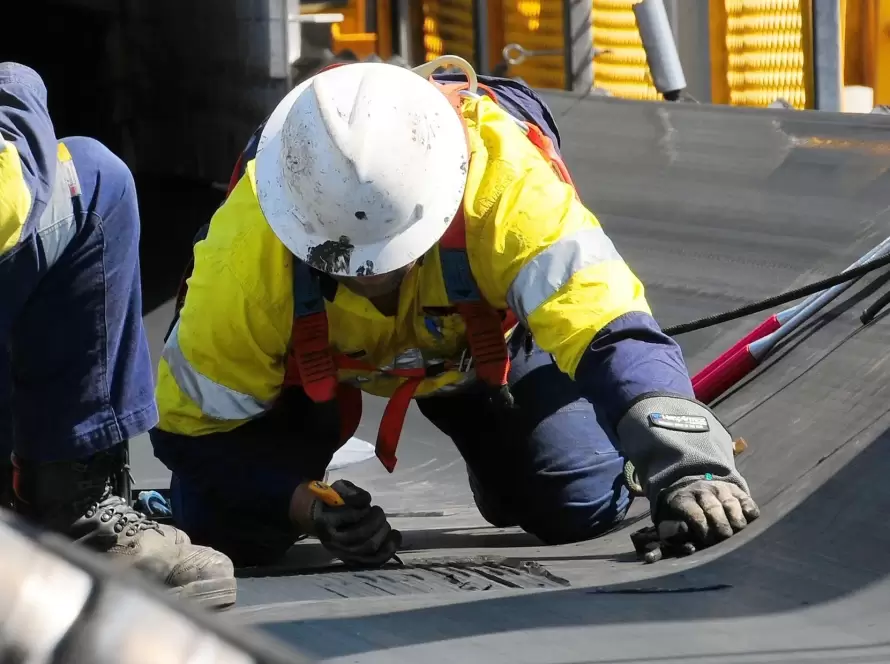
If you want to operate a forklift, work with cranes, or perform rigging and scaffolding in Western Australia, you need a High Risk Work Licence (HRWL). It’s a legal requirement under WA’s Work Health and Safety (General) Regulations 2022, and working without one puts you and your employer at serious risk of fines and prosecution. Here’s what the licence covers, which class you need, and how to get it.
Key Takeaways:
- A High Risk Work Licence (HRWL) is required for operating forklifts, cranes, elevated work platforms, rigging, scaffolding, and pressure equipment in WA.
- You must be at least 18 years old, complete training with a registered RTO, and pass an assessment by an accredited assessor.
- Your HRWL is nationally recognised and valid across all Australian states and territories.
- Your training qualification must have been obtained not more than 60 days before you lodge your application with WorkSafe WA.
What Is a High Risk Work Licence?
A High Risk Work Licence is a government-issued licence that authorises a worker to perform specific high-risk tasks across any Australian workplace. Under WA’s Work Health and Safety (General) Regulations 2022, certain types of plant and equipment can only be operated by someone holding the correct licence class for that work.
The licence isn’t just a tick-box. It confirms you’ve been trained by an accredited RTO, assessed by a qualified assessor, and that you understand both the technical operation and the safety responsibilities that come with the role.
Which Classes of HRWL Are Available in WA?
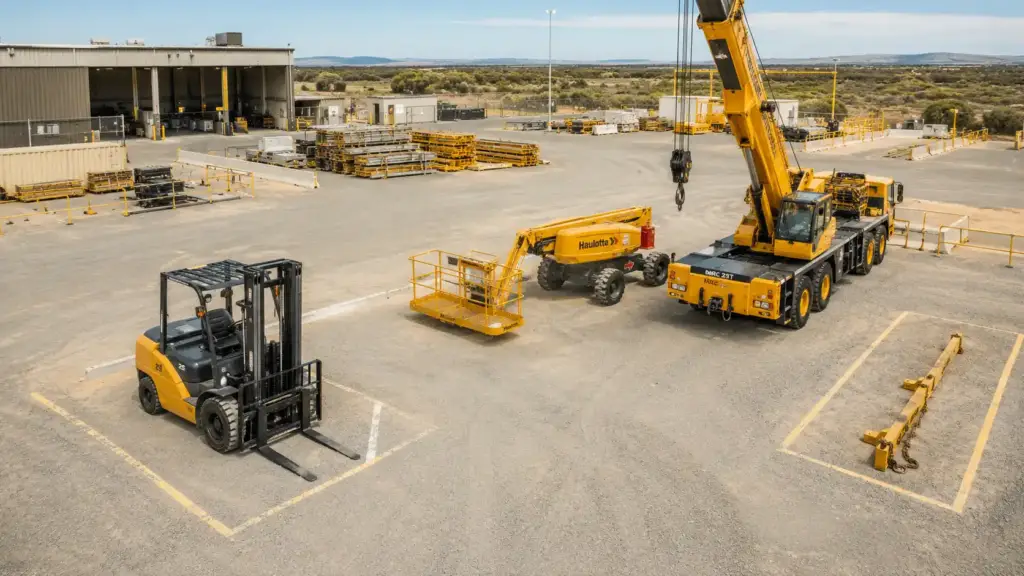
There are multiple HRWL classes, each covering a specific type of high risk work. You can hold more than one class on a single licence, and many workers add classes over time as their career develops.
Work Type | Common Licence Classes |
Forklift operations | Forklift truck, order picking forklift |
Elevating work platforms | Boom-type elevating work platform |
Cranes | Tower crane, mobile crane, vehicle loading crane, bridge and gantry crane |
Rigging | Basic, intermediate, and advanced rigging |
Dogging | Dogging |
Scaffolding | Basic, intermediate, and advanced scaffolding |
Pressure equipment | Boiler operation, turbine operation |
If you’re unsure which class applies to your role, speak with our training team before enrolling.
Who Needs an HRWL in WA?
You need an HRWL any time you’re physically operating or controlling a high-risk plant as part of your work. This applies across construction, mining, resources, manufacturing, and logistics.
- Driving a forklift in a warehouse or on a site
- Operating a boom-type elevated work platform
- Performing rigging or dogging on a construction or mining site
- Erecting or dismantling scaffolding
- Operating cranes, hoists, or reach stackers
It’s worth noting that some tasks, like working at heights or entering confined spaces, require safety training but not a formal HRWL. These are covered by separate short-course requirements. Our working at heights course and confined spaces training cover those obligations separately.
How to Get a High Risk Work Licence in WA
The process has four steps. It’s straightforward if you follow them in order.
Step 1: Check eligibility
You must be at least 18 years old and have sufficient English proficiency, spoken and written, to communicate safety information on site. If you already hold an equivalent licence from another state that’s due for renewal, you can apply to have it recognised in WA.
Step 2: Complete training with a registered RTO
Enrol in the relevant unit of competency with a registered RTO like QPTS (RTO #40804). Training covers both the theoretical knowledge and practical skills for your chosen licence class. Duration varies depending on the class.
Step 3: Pass your assessment
Once training is complete, you need to be assessed by a WorkSafe WA-accredited assessor. Your training qualification must have been obtained not more than 60 days before you lodge your application. The assessor signs off that you are competent to perform the work safely.
Step 4: Apply to WorkSafe WA
Submit your application through WorkSafe WA. You can apply for a new licence, add a class to an existing licence, or renew. Once approved, your HRWL is valid across all Australian states and territories.
Can You Add Licence Classes Later?
Yes, and most workers do. You don’t need to get every class at once. Many workers start with a forklift or EWP licence and add rigging or scaffolding classes as their career progresses. Each new class follows the same process: training, assessment, and then a licence update through WorkSafe WA.
If you’re a site manager or HR coordinator planning training for a team, it’s worth mapping out which classes each worker needs across the next 12 months so you can schedule training efficiently. Contact our team to discuss group bookings and scheduling.
Frequently Asked Questions
If you’re working in construction, yes. A White Card is generally required before you work on a construction site. It’s a separate requirement from the HRWL but often needed alongside it. Learn more in our White Card course page.
No. Working at heights training is a safety course, not a licensing requirement under the HRWL scheme. However, both may be required for the same role. Check your site’s specific requirements with your employer or safety officer.
Yes. Many employers book group training directly with an RTO. QPTS (RTO #40804) runs training across Perth, Port Hedland, and Kalgoorlie, and can work around your site schedule.
Working without the required HRWL is a breach of the Work Health and Safety (General) Regulations 2022 and can result in significant fines for both the worker and the employer. WorkSafe WA inspectors actively check licences on site.
WorkSafe WA maintains a public register of accredited assessors. Once you’ve completed your training with QPTS, we can help connect you with an accredited assessor to complete your competency sign-off.