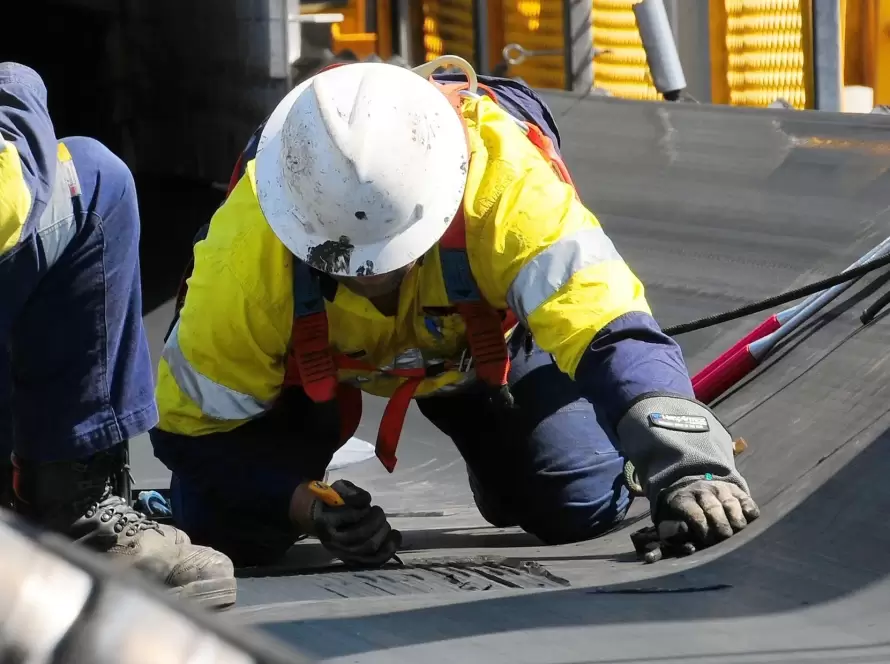
Safety culture is not built on procedures alone. While rules, PPE and safe work methods form essential foundations, it is strong leadership that determines whether these practices are consistently followed on a job site.
Leadership and management training helps supervisors, leading hands and managers shape the behaviours, attitudes and communication practices that keep teams safe. When leaders model safe behaviours and understand how to influence their teams effectively, safety culture improves across every level of the organisation.
Why Safety Culture Starts with Leadership
A positive safety culture begins with leaders who understand their responsibility in setting expectations and reinforcing safe behaviours.
Effective leaders can:
- Communicate safety expectations clearly
- Identify risks proactively
- Hold teams accountable
- Support workers in raising concerns
- Build trust during high pressure tasks
How Leadership Training Strengthens Safety on the Job Site
- Improved Communication and Hazard Awareness
Leadership training improves communication, ensuring instructions are clear, toolbox talks are effective and workers feel safe discussing hazards.
- Stronger Decision Making in High Risk Situations
Supervisors learn to assess risks objectively, prioritise safety and remain calm during emergencies, reducing the chance of unsafe shortcuts.
- Increased Accountability and Consistency
Training helps leaders set consistent safety standards, correct unsafe behaviour early and lead by example.
- Enhanced Confidence When Leading Diverse Teams
Trained leaders communicate more effectively across language barriers, skill levels and roles, creating safer and more inclusive environments.
- Support for Mental Health and Worker Wellbeing
Leadership training teaches supervisors how to recognise signs of fatigue or stress and provide appropriate support.
- Better Incident Response and Reporting
Trained leaders know how to manage incidents correctly, complete documentation and support investigations to prevent repeat occurrences.
Why Leadership Training Is a Long Term Investment
A strong safety culture reduces incidents, improves morale, supports productivity and helps ensure every worker gets home safely.
QPTS delivers leadership and management training that helps supervisors and managers build the capability needed to lead safely and confidently. Contact QPTS to learn more about available training programs.
Frequently Asked Questions
- Why is leadership training important for safety performance? It strengthens communication, hazard awareness and behaviour management.
- Who should complete leadership and management training? Supervisors, team leaders, leading hands and new managers.
- How does leadership training reduce incidents? It improves hazard identification, decision making and accountability.
- Does leadership training replace technical safety training? No, it complements technical courses by improving people leadership skills.
- Can leadership training support compliance? Yes, by improving documentation, reporting and WHS communication.