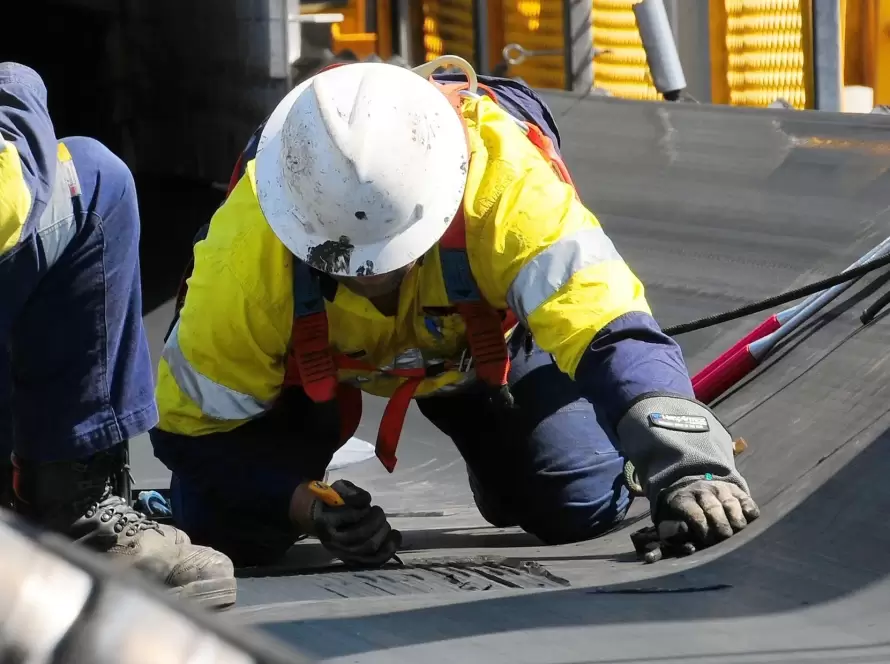
A polymer processing qualification isn’t just a certificate to hang on the wall. It’s a technical credential that opens real, well-paying career pathways in some of Australia’s most active industries, particularly in WA’s mining and resources sector, where conveyor belt infrastructure is the backbone of daily operations.
Whether you’ve completed the Certificate II or Certificate III in Polymer Processing through QPTS, here’s a clear picture of where those qualifications can take you.
Key Takeaways
- The Cert II (PMB20121) qualifies you for entry-level conveyor belt technician roles across mining, infrastructure, and heavy industry.
- The Cert III (PMB30121) opens advanced roles in belt splicing, including steel cord and fabric ply specialisations that attract higher pay.
- Both qualifications were developed with a global leader in conveyor maintenance, making graduates job-ready from day one.
- Career progression paths include Cert IV in Polymer Technology and leadership qualifications for those moving into supervisory roles.
What Jobs Can You Get With a Polymer Processing Certificate?
Both QPTS qualifications are built around conveyor belt technology, which is used extensively across mining, resources, manufacturing, and infrastructure. The roles you can access depend on your level of certification, but the core career track is consistent: maintain, repair, and splice conveyor belt systems in high-demand industrial environments.
Role | Certificate Level | Primary Industries |
Conveyor Belt Technician | Cert II (PMB20121) | Mining, construction, manufacturing |
Belt Splicer (fabric ply) | Cert III (PMB30121) | Mining, resources, infrastructure |
Belt Splicer (steel cord) | Cert III (PMB30121) | Mining, bulk materials handling |
Vulcaniser Operator | Cert II or III | Mining, industrial maintenance |
Conveyor Maintenance Specialist | Cert III (PMB30121) | Resources, ports, mineral processing |
“Conveyor belt systems move billions of tonnes of material across Australian mine sites every year. The technicians who keep those belts running, particularly trained belt splicers, are in consistent demand and rarely out of work in WA’s resources sector.”
Which Industries Hire Polymer Processing Graduates?
WA’s mining and resources sector is the primary employer for polymer processing graduates, but it’s far from the only one. Conveyor belt technology is used wherever bulk materials need to move, and that covers a wide range of industries.
Mining and resources:
Iron ore, gold, lithium, and coal operations rely heavily on conveyor belt systems for ore haulage and processing. WA is one of the most active mining states in Australia, with ongoing demand for qualified belt technicians.
Construction and infrastructure:
Large construction projects, including roads, tunnels, and ports, use conveyor systems for aggregate and material handling. Qualified technicians are often contracted directly to project sites.
Manufacturing and industrial:
Food processing, cement, and heavy manufacturing facilities run conveyor systems as part of production lines. These roles tend to offer more stable shift work compared to fly-in, fly-out mining positions.
Cert II vs Cert III: What Does Each Level Unlock?
The two qualifications aren’t interchangeable. Each serves a different point in your career, and understanding the difference helps you plan your next step.
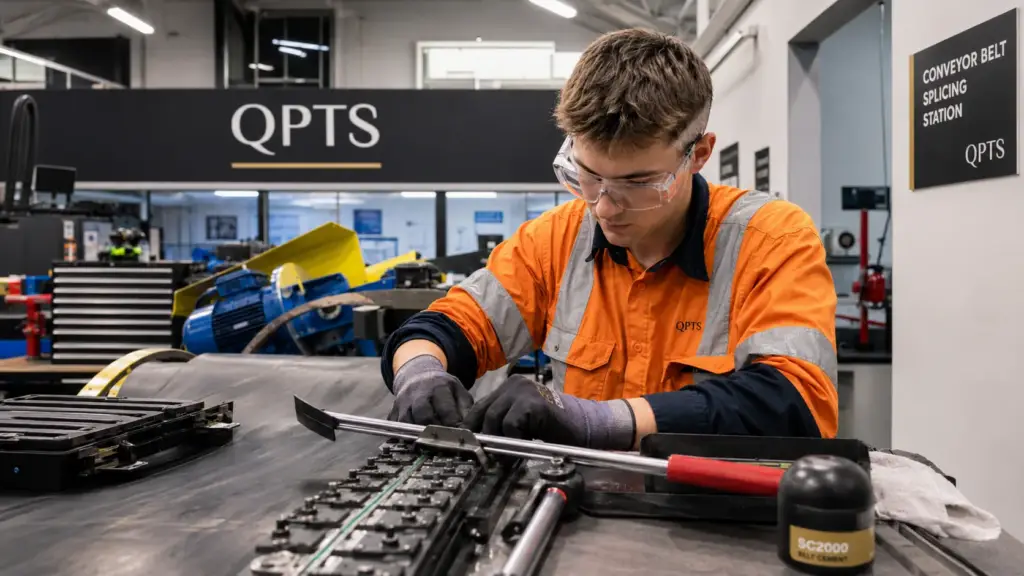
The Certificate II in Polymer Processing (PMB20121) is your entry point. It covers the fundamentals of working with polymer materials, operating vulcanising equipment, surface preparation, and polymer bonding. After completing it, you’re qualified for conveyor belt technician roles and entry-level positions with maintenance contractors. Duration is 6-12 months for those already employed in the industry.
The Certificate III in Polymer Processing (PMB30121) takes you to an advanced operator level. The standout units here are belt splicing specialisations: fabric ply, steel cord, and solid woven conveyor belts. These are skilled, in-demand techniques that command higher rates. Cert III also lays the foundation for supervisory progression and further study into polymer technology. Duration is 24-36 months.
“Steel cord belt splicing is one of the more specialised skills in the conveyor maintenance trade. It’s technically demanding, safety-critical, and not something a site can do without qualified personnel. Workers with this competency are actively sought after in WA’s mining regions.”
What Comes Next? Career Progression After Your Qualification
Completing a polymer processing certificate isn’t an endpoint. It’s a foundation. Here are the most common progression pathways QPTS students take after completing their initial qualification.
Certificate IV in Polymer Technology:
The natural step up from the Cert III. This level moves you into technical supervision, quality management, and more complex problem-solving across polymer processing environments.
Certificate IV in Leadership and Management (BSB40520):
For those moving into team leader or supervisor roles, pairing your trade qualification with a leadership cert gives you the formal people management skills that employers expect at a supervisory level.
Senior technician and site lead roles:
With 5-10 years of hands-on experience and a Cert III or higher, many technicians move into site lead, trainer assessor, or contract supervisor positions, often with significantly higher earning potential.
View the Certificate IV in Leadership and Management at QPTS to see how it complements your polymer processing pathway.
Frequently Asked Questions
Yes. Both the Cert II and Cert III at QPTS require you to be currently employed or have pending employment in the industry. The practical components are delivered in the workplace alongside your employer, so employment is a prerequisite.
Yes. Both PMB20121 and PMB30121 are nationally accredited qualifications on the Australian Qualifications Framework (AQF). Employers across Australia recognise them, though availability in some states may vary.
Yes. Both qualifications are available as traineeships, which allow you to earn while you learn. QPTS can work with your employer to set up a traineeship arrangement. Contact the team to discuss options.
The Cert III (PMB30121) typically takes 24 months for those already employed in the industry, or up to 36-48 months if completed via an apprenticeship. Timeframes vary based on your existing experience and your employer’s training plan.
Ready to Start or Progress Your Polymer Processing Career?
QPTS delivers both the Certificate II and Certificate III in Polymer Processing across WA, NSW, and Queensland, with delivery designed around working candidates. Whether you’re just starting out or looking to formalise your existing skills, we can help you find the right pathway.
Contact QPTS to discuss enrolment, or explore the Certificate II in Polymer Processing and Certificate III in Polymer Processing pages for full course details.