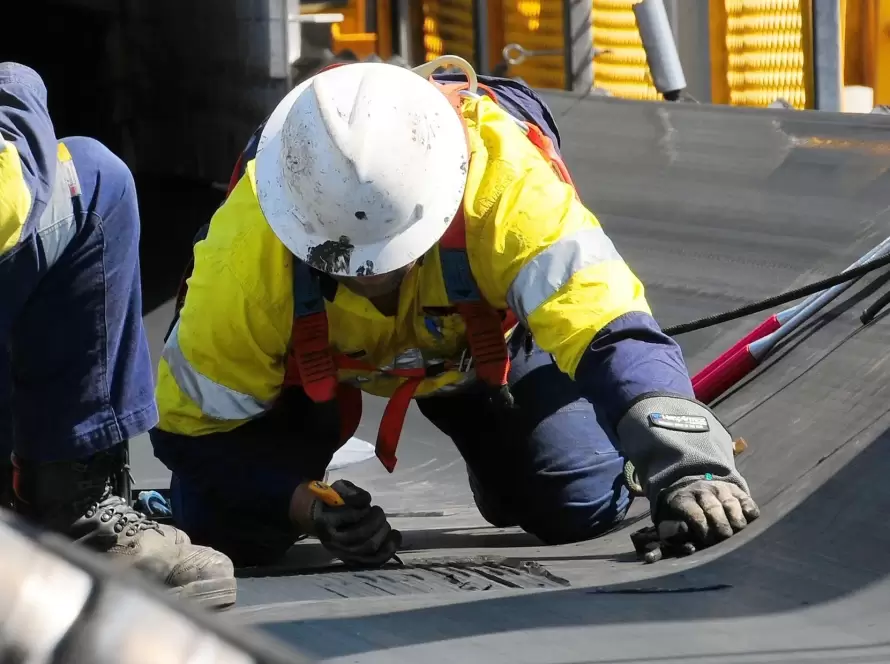
In high-risk work environments, technical skills and compliance knowledge are essential, but they are not enough on their own. Soft skills play a critical role in safety, decision-making, and overall workplace performance, particularly where risks are high and consequences are serious.
What Are Soft Skills in High-Risk Workplaces?
Soft skills refer to non-technical abilities that influence how people communicate, make decisions, and work together. In high-risk environments, these skills directly impact safety outcomes.
- Clear communication
- Situational awareness
- Decision-making under pressure
- Leadership and teamwork
- Accountability and professionalism
Why Soft Skills Matter in High-Risk Environments
Improving Communication and Hazard Awareness
Clear communication helps workers identify hazards, report concerns, and follow procedures accurately, reducing the likelihood of incidents.
Supporting Better Decision-Making Under Pressure
Soft skills training Perth enables workers and leaders to assess situations quickly and respond appropriately when conditions change or unexpected issues arise.
Strengthening Leadership and Team Coordination
Strong leadership and teamwork help ensure tasks are coordinated safely and responsibilities are clearly understood.
Reinforcing Accountability and Compliance
Soft skills support accountability by encouraging workers to take ownership of their actions and comply with workplace standards.
The Link Between Soft Skills and Safety Culture
A strong safety culture depends on behaviour, communication, and teamwork. Soft skills help create an environment where safety concerns are raised early and addressed effectively.
Soft Skills in Leadership and Statutory Roles
Supervisory and statutory roles require advanced soft skills, including leadership, communication, and decision-making, to manage people and risk effectively.
How Quality People and Training Solutions (QPTS) Supports Workforce Capability
Quality People and Training Solutions (QPTS) supports organisations through industry-aligned training that develops leadership, communication, and decision-making skills required in high-risk environments.
Soft skills are essential in high-risk work environments. They support safety, compliance, and effective leadership. QPTS helps organisations build capable, confident, and compliant workforces. Enquire with QPTS to learn how workforce capability and leadership training can support your organisation.
Frequently Asked Questions
Why are soft skills important in high-risk work environments?
Soft skills support clear communication, better decision-making, and stronger teamwork, all of which reduce risk and improve safety outcomes.
Can soft skills reduce workplace incidents?
Yes. Effective communication and situational awareness help identify hazards early and prevent incidents.
Are soft skills relevant for supervisors and managers?
Yes. Leadership, accountability, and communication are essential for supervisory and statutory roles.
How can employers develop soft skills in their workforce?
Through leadership training, mentoring, clear expectations, and ongoing development programs.
How does QPTS support soft skill development?
QPTS delivers industry-aligned training that builds leadership, communication, and decision-making capability.