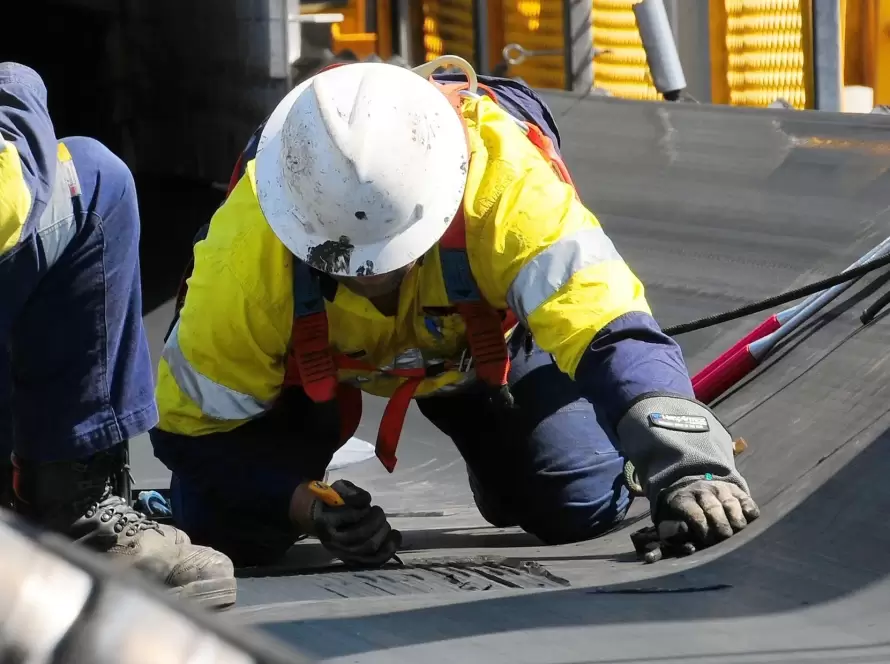
Workers in Western Australia bring a diverse mix of skills to their roles, often gained through years of hands-on experience rather than formal classroom training. Recognition of Prior Learning (RPL) provides a structured way to acknowledge and value these skills within the broader training and employment landscape.
This blog outlines the purpose of RPL, how it supports WA’s workforce and the types of experience that commonly contribute to RPL suitability. It does not describe assessment procedures or training provider processes, ensuring it complements rather than competes with service-related information.
Why RPL Matters in Western Australia
WA industries such as mining, construction, fabrication, warehousing and manufacturing rely heavily on workers who have learnt through practical experience. RPL helps ensure this capability is recognised and not overlooked.
How RPL Supports Workers
RPL can:
- Highlight a worker’s strengths and practical capability
- Reduce unnecessary repetition of training
- Provide recognition for knowledge gained through real work
- Support job mobility across different sites
Table 1: RPL Compared to Conventional Training Pathways
| Area | RPL Focus | Conventional Training Focus |
| Approach | Considers knowledge gained from real work experience | Teaches new concepts through structured lessons |
| Time Investment | More efficient for experienced workers | Longer, based on teaching schedules |
| Who Benefits Most | Experienced workers with strong practical backgrounds | New entrants learning skills for the first time |
| Learning Style | Draws on past workplace experiences | Classroom-based or trainer-led |
| Outcome | Recognition of existing competence | Development of new competence |
Table 2: Types of Experience That May Support RPL Suitability
| Experience Type | Examples of Value | Common Industries |
| Hands-On Work History | Operating machinery, performing technical tasks | Manufacturing, mining, construction |
| Workplace Knowledge | Understanding processes, safety expectations, job sequencing | Warehousing, logistics, fabrication |
| Informal Learning | Peer mentoring, on-the-job instruction | Trades, maintenance, operations |
| Industry Exposure | Time spent around specific equipment or environments | Heavy industry, oil and gas |
| Related Background Activities | Volunteering, assisting supervisors, shift work experience | Community services, utilities, local government |
Who Benefits From RPL in WA
Workers with years of practical experience, workers transitioning roles, long-term employees, migrant workers and those seeking career growth may all benefit.
Employers benefit through improved workforce capability, better recognition of internal skills and stronger alignment with industry standards.
Why RPL Strengthens WA’s Workforce
RPL supports professional growth, encourages job progression and helps industry maintain a skilled, confident workforce.
If you are considering RPL as part of your career progression and would like guidance tailored to your experience, you can contact QPTS for more information.
Frequently Asked Questions
- Is RPL only used in certain industries? No, many WA sectors use it, especially where experience-based learning is common.
- Does RPL replace all training? Not always. It recognises existing skills but workers may still choose training for new areas.
- Can RPL help with promotions? Yes, it can support progression by acknowledging experience.
- Is past employment required? Relevant experience from various environments may be useful.
- Do employers benefit from RPL? Yes. It supports workforce planning and competency recognition.