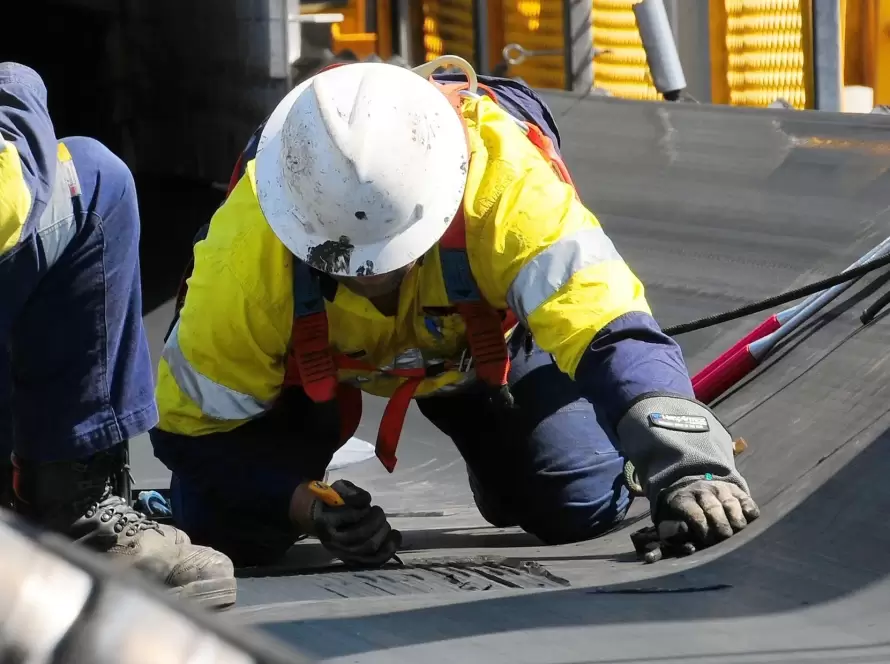
A safe work method statement (SWMS) is a written document that sets out the high-risk construction work you’re about to do, the hazards involved, and the control measures that will keep everyone safe. In WA, the Work Health and Safety (General) Regulations 2022 and WHS (Mines) Regulations 2022 require a SWMS before any high-risk construction work starts.
Key Takeaways:
- WA’s WHS Regulations require a SWMS before high-risk construction work begins, and work must be carried out in accordance with it (WorkSafe WA).WA’s WHS Regulations require a SWMS before high-risk construction work begins, and work must be carried out in accordance with it (WorkSafe WA).
- Common triggers include fall risks over 2 metres, confined spaces, and trenches deeper than 1.5 metres.
- The PCBU must prepare the SWMS or ensure one has been prepared, in consultation with the workers doing the job.
- Keep it until the work is finished, or at least 2 years after a notifiable incident.
When Is a SWMS Required in WA?
The WHS Regulations list 19 activities that count as high-risk construction work. If your job involves any of them, an SWMS must be in place before work starts. It isn’t required for work of a minor nature. Several of these activities also need a high-risk work licence, which is a separate requirement from the SWMS.
Trigger | What it looks like on site |
Risk of a person falling more than 2 metres | Roof work, scaffolds, elevated platforms |
Work in or near a confined space | Tanks, pits, service ducts |
Shafts or trenches deeper than 1.5 metres, or tunnels | Service trenches, drainage shafts |
Work on or near energised electrical installations | Live switchboards, overhead lines |
Areas with movement of powered mobile plant | Excavators, telehandlers, forklifts |
Asbestos disturbance, telecommunication towers, demolition of load-bearing elements, tilt-up or precast concrete, explosives, traffic corridors, temperature extremes, drowning risks and diving work round out the list. If heights or confined spaces feature in yours, our working at heights in WA and confined spaces training guides cover the training side.
What Must a SWMS Include?
A SWMS must identify the high-risk construction work, specify the hazards and risks, describe the control measures, and explain how they’ll be implemented, monitored, and reviewed.
Short and site-specific beats long and generic. The WorkSafe WA information sheet warns that a lengthy SWMS is harder to apply and review, and a generic template may not meet the Regulations unless it’s amended for the actual workplace.
It also includes a free SWMS template you can work from.
Who Prepares It, and Who Checks It?
A PCBU must prepare the SWMS, or ensure one has been prepared, in consultation with the workers directly involved. In practice, that means the PCBU prepares it for their workers, or the subcontractor prepares it for theirs.
On projects where 5 or more people work at the same time, a principal contractor must be appointed and must receive a copy before the high risk work starts.
If work isn’t following the SWMS, it must stop immediately, or as soon as it’s safe, and can’t resume until it can be done in accordance with the statement.
SWMS FAQs
No. A SWMS is a specific legal requirement for high risk construction work. A JSA or safe operating procedure doesn’t replace a SWMS where one is required.
Until the high risk construction work it covers is complete, or at least 2 years from the date of any notifiable incident connected to the work.
Yes, as long as it accounts for how those activities affect each other.